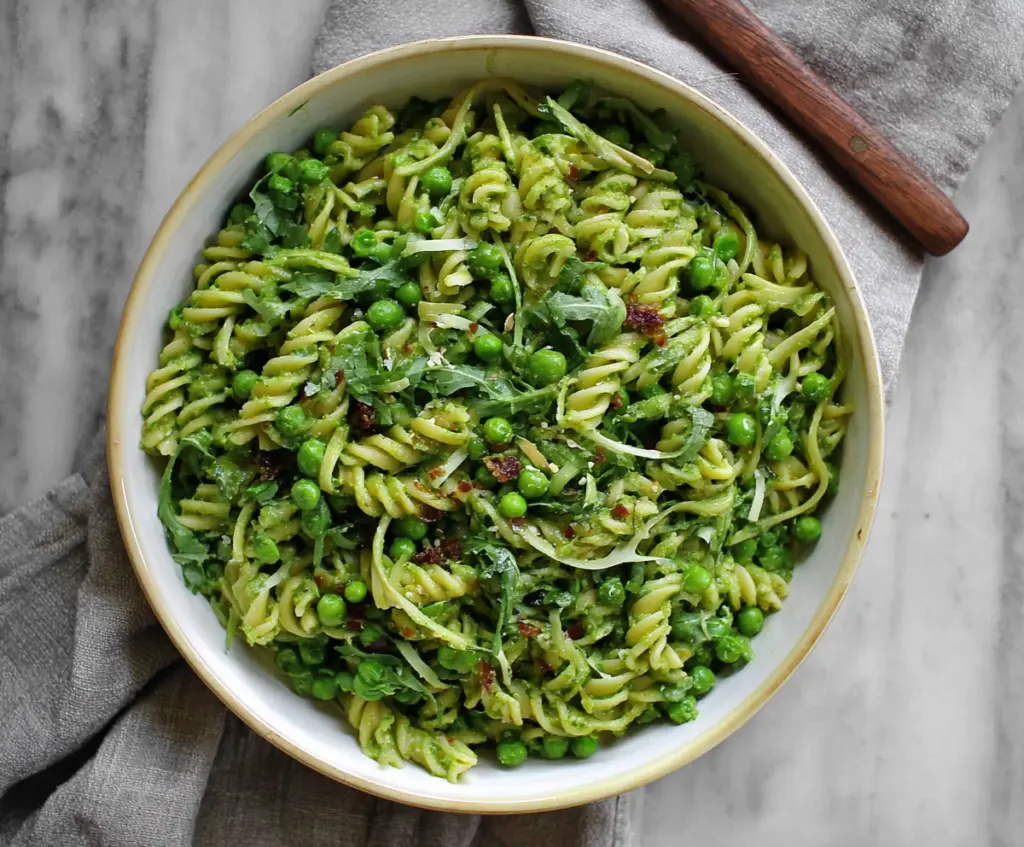
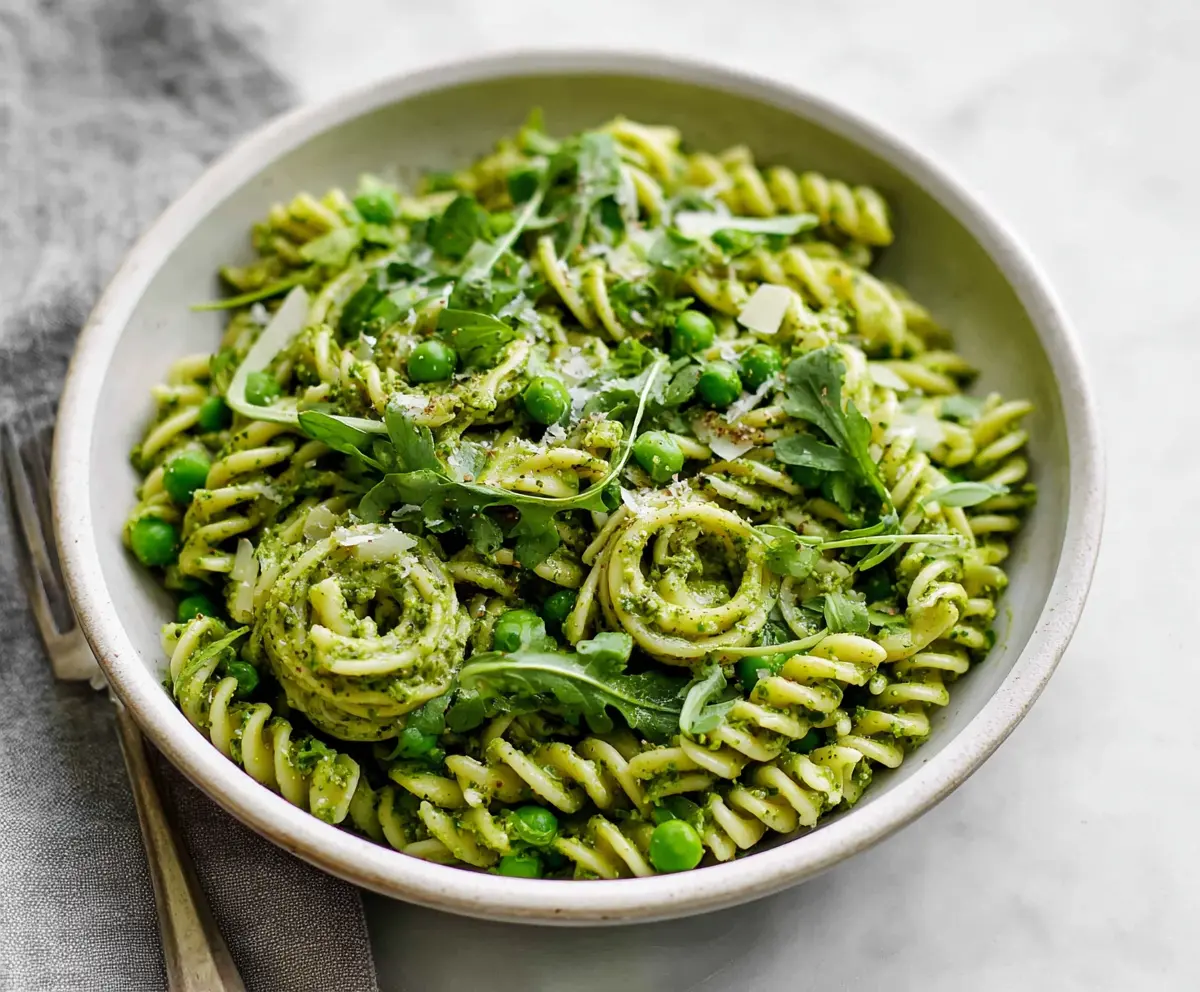
Spring Pea Pesto Pasta is a fresh, vibrant dish that combines the sweet pop of spring peas with the rich, herby goodness of pesto tossed through tender pasta. It’s light yet satisfying, perfect for when you want something green and bright but still comforting. The peas give a nice little crunch and sweetness that pairs beautifully with the creamy texture of the sauce.
I love making this pasta when fresh peas start showing up at the market—it feels like a small celebration of the season. I usually add a sprinkle of Parmesan and a squeeze of lemon on top to brighten things up even more. It’s one of those dishes where the flavors are simple, but they just work together so well. Plus, it’s quick to whip up, which I always appreciate on busy days.
I often serve this dish with a side salad or some crusty bread to soak up any leftover pesto sauce. It’s been a crowd-pleaser every time I’ve made it, and it’s a great way to get a little more green on the dinner table. If you haven’t tried making pesto with peas before, give it a go—you might find it’s your new favorite way to enjoy spring veggies!
Key Ingredients & Substitutions
Fresh or Frozen Peas: Fresh peas give a lovely sweetness, but frozen peas work well too. Just thaw them so they blend smoothly into the pesto. If peas aren’t available, you can try edamame for a similar texture and green color.
Basil & Parsley: These herbs add freshness and depth. If you don’t have parsley, try replacing it with spinach or arugula for a mild, peppery touch. Basil can be swapped with mint for a cool twist.
Parmesan Cheese: Adds a nutty, salty flavor. For a dairy-free option, use nutritional yeast or omit it altogether and add extra nuts for richness.
Pine Nuts or Walnuts: Walnuts give a slightly earthier flavor and cost less than pine nuts. You can also use almonds or cashews for a different but tasty pesto base.
Olive Oil: Extra virgin olive oil gives body and flavor to the pesto. If you want a lighter sauce, you can reduce the oil and add pasta water to loosen the pesto without losing creaminess.
How Can I Make Smooth, Creamy Pea Pesto Without It Getting Too Thick?
Getting the right pesto texture is key. Here’s how I do it:
- Start by pulsing the peas, herbs, nuts, and garlic until roughly chopped but not pureed. This keeps some texture.
- Slowly drizzle in olive oil while the food processor runs. Stop when it looks creamy but still has little bits for texture.
- If it feels too thick, add a splash of reserved pasta cooking water or extra olive oil. This thins out the pesto and helps it coat the pasta better.
- Don’t over-blend. A little texture in the pesto means more flavor bites and a nicer sauce consistency.
Following this method means your pea pesto will be bright, fresh, and perfect for mixing with pasta!
Equipment You’ll Need
- Large pot – I use this to cook the pasta and peas quickly and easily.
- Food processor – makes blending the herbs, nuts, and peas smooth and effortless.
- Measuring cups and spoons – to keep everything precise and easy to follow.
- Slotted spoon – helps to lift the pasta and peas from the boiling water without excess water.
- Large mixing bowl – for tossing the pasta with the pesto and ingredients.
Flavor Variations & Add-Ins
- Protein boost: Toss in grilled chicken or shrimp for extra filling. They both add a nice savory touch.
- Cheese swap: Use grated Pecorino or a sprinkle of ricotta for a different flavor profile.
- Veggie extras: Mix in sautéed zucchini, roasted cherry tomatoes, or grilled asparagus for variety.
- Spice it up: Add red pepper flakes or a dash of hot sauce to bring some heat to the dish.
How to Make Spring Pea Pesto Pasta
Ingredients You’ll Need:
- 12 oz fusilli or rotini pasta
- 2 cups fresh or frozen peas (thawed if frozen)
- 2 cups fresh basil leaves, packed
- 1 cup fresh parsley leaves
- 1/2 cup grated Parmesan cheese, plus extra for serving
- 1/4 cup pine nuts or walnuts
- 2 garlic cloves, peeled
- 1/2 cup extra virgin olive oil, plus more to loosen sauce
- Juice of 1/2 lemon
- Salt and pepper, to taste
- Red pepper flakes, optional, for garnish
- 1 cup arugula or baby spinach (optional, for mixing in or garnish)
How Much Time Will You Need?
This recipe takes about 15-20 minutes to prepare and cook. Most of that time goes to boiling the pasta and peas, while you prepare the pesto. It’s a quick meal that lets you enjoy fresh spring flavors without spending too long in the kitchen.
Step-by-Step Instructions:
1. Cook the Pasta and Peas:
Bring a large pot of salted water to a boil. Add the pasta and cook following the package instructions until al dente. Two minutes before the pasta finishes cooking, add the peas to the boiling water to blanch them. Once done, drain the pasta and peas, saving about 1/2 cup of the cooking water.
2. Make the Pea Pesto:
While the pasta cooks, prepare your pesto by blending 1 1/2 cups of peas with basil, parsley, garlic, nuts, Parmesan cheese, lemon juice, salt, and pepper in a food processor. Pulse until combined but still slightly textured. With the motor running, drizzle in olive oil until the pesto becomes creamy but not too smooth. If the mixture feels too thick, add a bit of water or more olive oil to loosen it.
3. Combine and Serve:
In a large bowl, toss the cooked pasta and peas with the pesto. Add reserved pasta water a little at a time to help the sauce coat the pasta nicely and create a creamy consistency. Fold in arugula or baby spinach if you like for extra green goodness. Check the taste and adjust salt, pepper, or lemon juice as needed. Serve warm or at room temperature, topped with extra Parmesan, a drizzle of olive oil, and a sprinkle of red pepper flakes if you enjoy a touch of heat.
Can I Use Frozen Peas Instead of Fresh?
Yes! Frozen peas work great—just be sure to thaw them before making the pesto so they blend smoothly and retain their vibrant color.
How Should I Store Leftovers?
Store any leftovers in an airtight container in the fridge for up to 3 days. Reheat gently on the stove or enjoy cold as a pasta salad.
Can I Make the Pesto Ahead of Time?
Absolutely! You can prepare the pea pesto up to 2 days in advance. Store it in a sealed container with a drizzle of olive oil on top to prevent browning.
What Pasta Works Best for This Recipe?
Short, twisted pasta shapes like fusilli or rotini are ideal since they hold the pesto sauce well, but feel free to use penne, farfalle, or your favorite pasta shape!