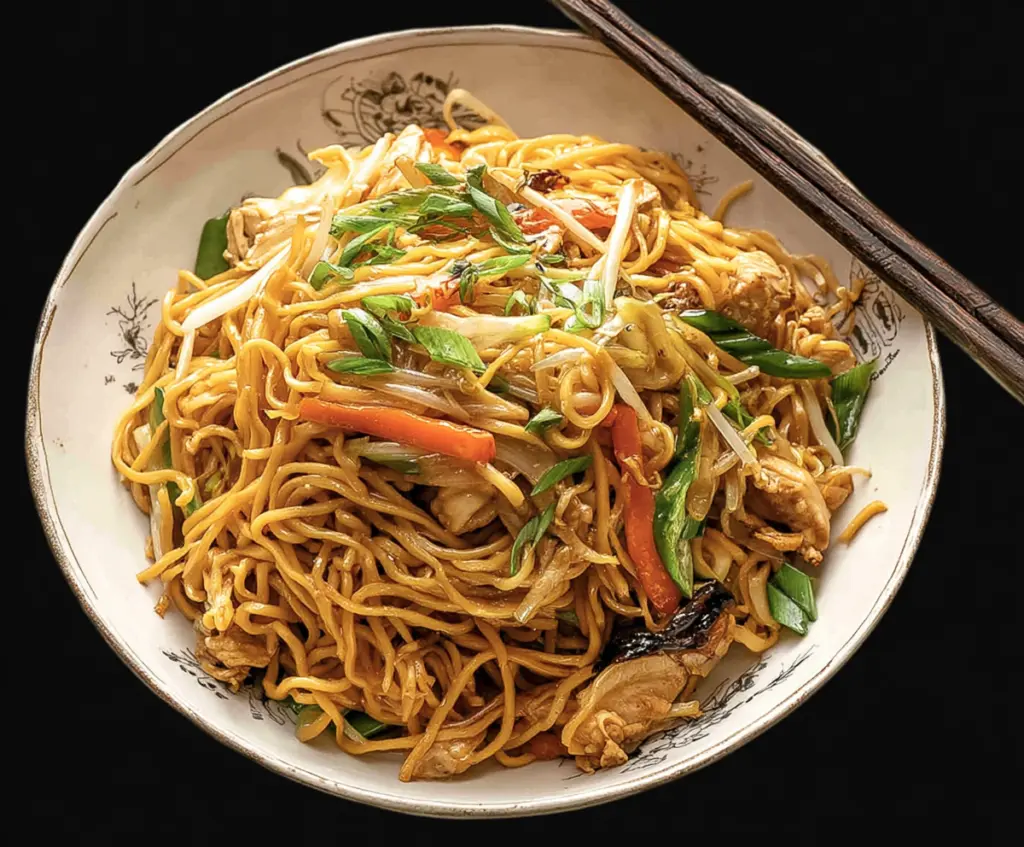
Chow Mein is a classic dish full of tender noodles, crisp vegetables, and your choice of protein all tossed together in a flavorful sauce. It’s got that perfect mix of soft and crunchy textures, with a hint of soy sauce and garlic that makes every bite satisfying. The noodles are golden and slightly crispy, which adds a delicious chew that I really enjoy.
For me, making chow mein feels like a fun kitchen adventure because you can easily switch up the ingredients based on what you have. I love throwing in lots of fresh veggies like bell peppers, carrots, and snap peas to add color and crunch. Sometimes I add chicken or shrimp, but it’s just as tasty with tofu if you want to keep it lighter or vegetarian. A little tip I’ve learned is to toss the noodles quickly in a hot pan to get those slightly crisp edges—it really makes a difference!
I often serve chow mein straight from the pan onto a big platter, perfect for sharing at family dinners or casual get-togethers with friends. It’s such a crowd-pleaser and comes together pretty quickly, which I appreciate on busy weeknights. Honestly, it’s one of those dishes that feels like a warm hug after a long day, simple but full of comforting flavors that everyone loves.
Key Ingredients & Substitutions
Noodles: Chow mein noodles are thin and springy, but you can also use thin egg noodles or even spaghetti in a pinch. Just cook them until tender, then toss with oil to keep them from sticking.
Protein: Chicken works great here, but shrimp, pork, tofu, or just extra veggies make tasty alternatives. Use what you like or have on hand.
Vegetables: Classic choices like carrots, cabbage, and bean sprouts add color and crunch. Feel free to add bell peppers, mushrooms, or snow peas for variety.
Sauces: Soy sauce gives saltiness, oyster sauce adds depth, while sesame oil brings a nice nutty flavor. You can swap oyster sauce for a vegetarian mushroom sauce if you prefer.
How Can I Keep My Chow Mein Noodles from Getting Mushy?
Noodles turning mushy is a common challenge. To keep them perfect:
- Cook noodles just until al dente, following package directions closely.
- Drain and rinse with cold water to stop the cooking process.
- Toss noodles with a little oil to prevent sticking before stir-frying.
- When adding noodles to the wok, toss gently but quickly with sauce to avoid breaking them.
These steps help your noodles stay springy and separate, giving your chow mein that lovely texture!
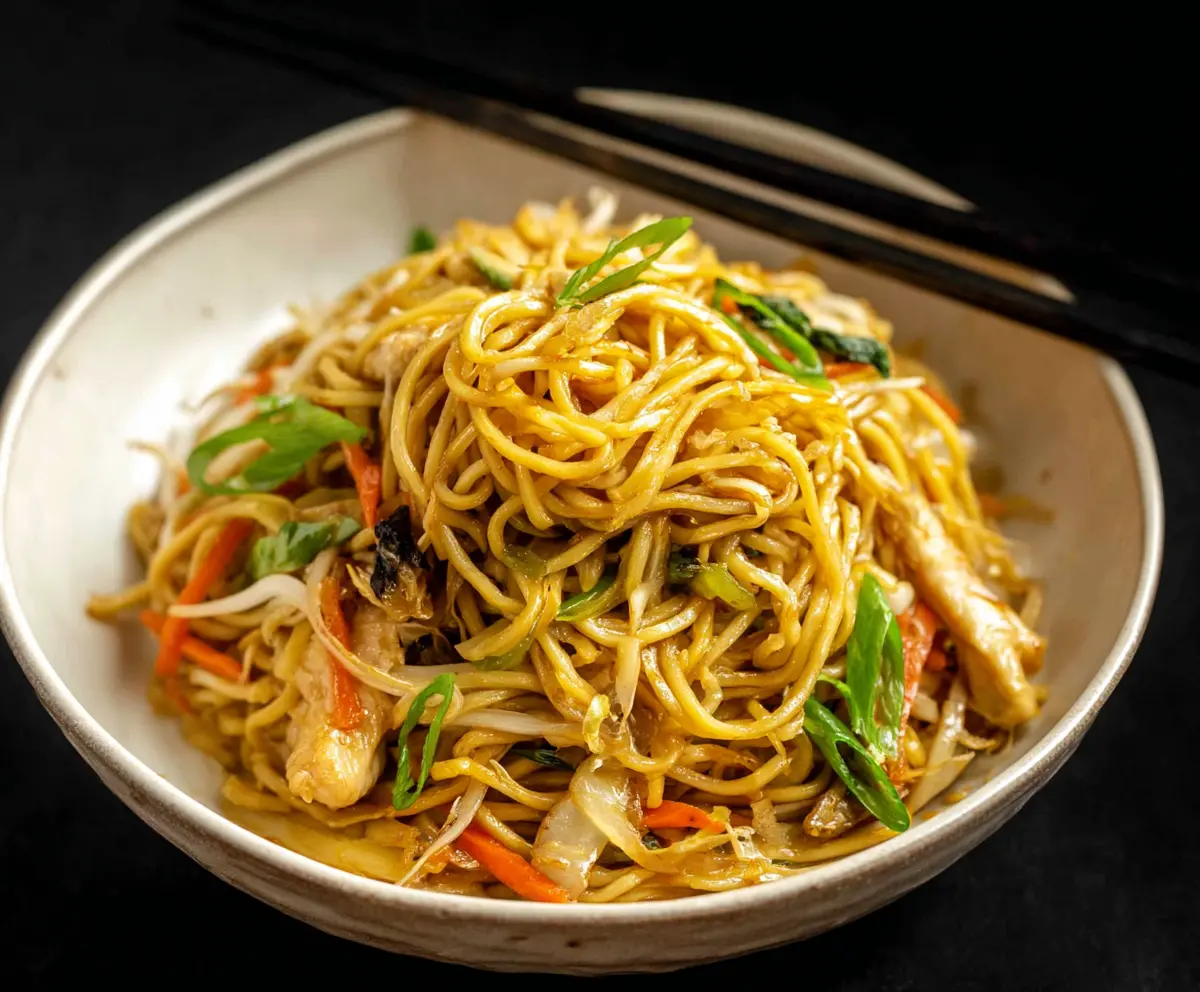
Equipment You’ll Need
- Large wok or skillet – I recommend a wok for quick, even stir-frying and lots of space to toss ingredients.
- Pot for boiling noodles – a large pot makes cooking noodles easy and quick.
- Slotted spoon or tongs – helps toss noodles and vegetables without breaking them.
- Measuring spoons – for precise sauce quantities and seasonings.
Flavor Variations & Add-Ins
- Swap chicken for shrimp or tofu for vegetarian options – they cook quickly and absorb flavors well.
- Add a splash of hoisin sauce or chili sauce for extra sweetness or heat.
- Mix in sliced bell peppers, broccoli, or snap peas for more crunch and color.
- Sprinkle with toasted sesame seeds or chopped peanuts for added texture and flavor.
How to Make Chow Mein
Ingredients You’ll Need:
- 8 oz chow mein noodles (or thin egg noodles)
- 2 tbsp vegetable oil
- 2 cloves garlic, minced
- ½ cup sliced onions
- ½ cup julienned carrots
- ½ cup sliced cabbage
- ½ cup bean sprouts
- ½ cup sliced green onions (scallions)
- 8 oz chicken breast or thigh, thinly sliced (optional)
- 2 tbsp soy sauce
- 1 tbsp oyster sauce
- 1 tsp sesame oil
- ½ tsp sugar
- Salt and pepper to taste
How Much Time Will You Need?
This chow mein recipe takes about 20 minutes from start to finish. You’ll spend around 10 minutes prepping and cooking the noodles and chicken, then another 10 minutes stir-frying the veggies and combining everything together for a quick, tasty meal.
Step-by-Step Instructions:
1. Cook the Noodles:
Boil the chow mein noodles according to the package instructions until they’re just tender. Drain the noodles, rinse them with cold water to stop cooking, then toss with a little vegetable oil so they don’t stick. Set them aside for later.
2. Cook the Chicken (if using):
Heat 1 tablespoon of vegetable oil in a large wok or skillet over medium-high heat. Add the thinly sliced chicken and stir-fry for about 4-5 minutes until fully cooked. Remove the chicken from the wok and set it aside.
3. Stir-Fry the Vegetables:
Add the remaining 1 tablespoon of oil to the wok. Toss in the minced garlic and stir-fry for about 30 seconds until it smells great. Then add the sliced onions, julienned carrots, and cabbage. Stir-fry these for 3-4 minutes until the veggies are softened but still a little crunchy.
4. Combine Ingredients and Sauce:
Return the cooked chicken (if using) to the wok along with the bean sprouts. Give everything a quick stir. Next, add the cooked noodles. Pour in the soy sauce, oyster sauce, sesame oil, and sugar. Toss everything together gently and thoroughly to make sure the sauce coats all the noodles and veggies evenly.
5. Final Touches:
Stir in the sliced green onions. Taste your chow mein and add salt and pepper if needed. Cook everything together for another 1-2 minutes to let the flavors blend.
6. Serve and Enjoy:
Transfer your delicious chow mein to a serving bowl or plates. It’s best enjoyed hot, simply on its own or with your favorite side dishes. Enjoy your flavorful and satisfying meal!
Can I Use Frozen Vegetables for Chow Mein?
Yes, frozen vegetables work well in a pinch! Just thaw and drain any excess water before adding them to the wok to avoid making the dish soggy.
How Can I Make Chow Mein Vegetarian?
Simply skip the chicken and use tofu or extra veggies instead. Adding mushrooms or snap peas boosts flavor and texture nicely.
What’s the Best Way to Store Leftover Chow Mein?
Keep leftovers in an airtight container in the fridge for up to 3 days. Reheat gently in a skillet or microwave, adding a splash of soy sauce or water if it feels dry.
Can I Make Chow Mein Ahead of Time?
Yes! You can prep and cook all components, then store them separately. When ready to eat, quickly stir-fry everything together for best texture.